



Selecting a lighter for a wholesale program starts with the intended use, destination market and customer expectations. A structured brief helps a supplier recommend an appropriate format without relying on assumptions about order quantity, packaging or certification.
Start With the Use Case
Define where and how the lighter will be used. Pocket lighters, kitchen lighters and jet-flame products have different handling, fuel and presentation considerations. The clearer the application, the easier it is to compare samples on relevant criteria.
Include the expected sales channel and any size or display constraints in the brief. A product intended for a counter display may be reviewed differently from one packed in a kit, even when the underlying lighter format is similar.
Questions for the product brief
- Who is the intended user and what task will the product support?
- Which markets will receive the finished product?
- Will the program require a logo, custom color or retail packaging?
- Which documentation must be reviewed before ordering?
A useful comparison keeps the application, sample method and approval criteria consistent across every option.
Compare the Main Formats
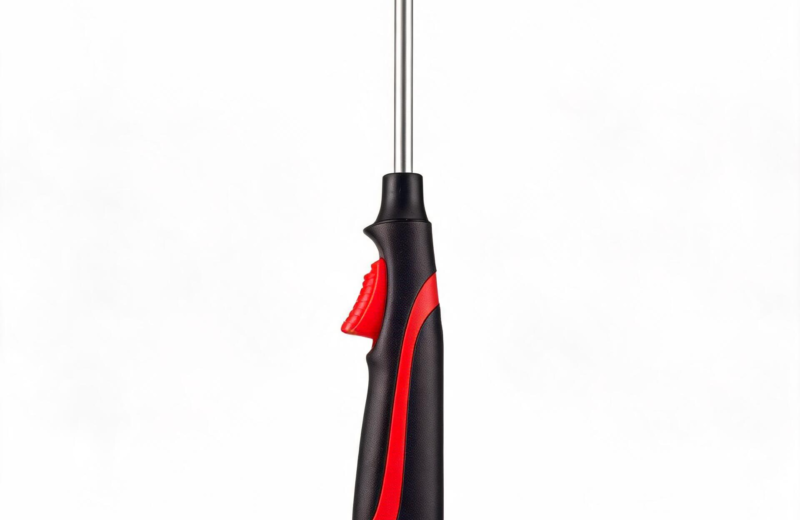
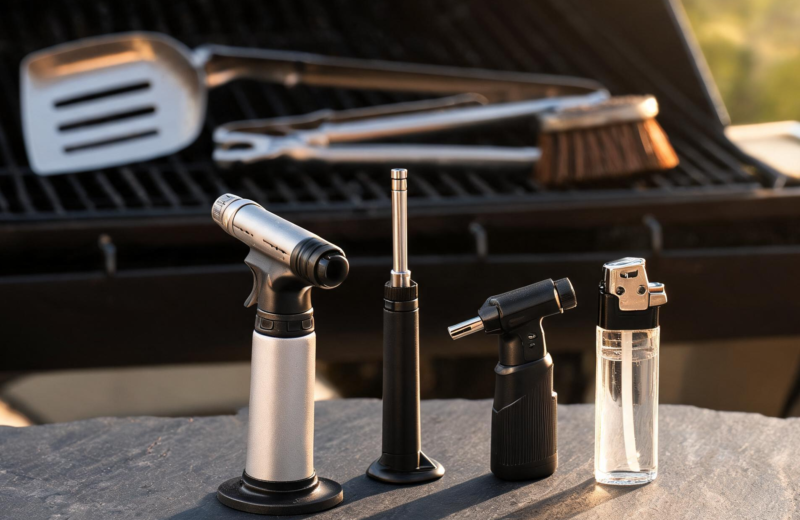
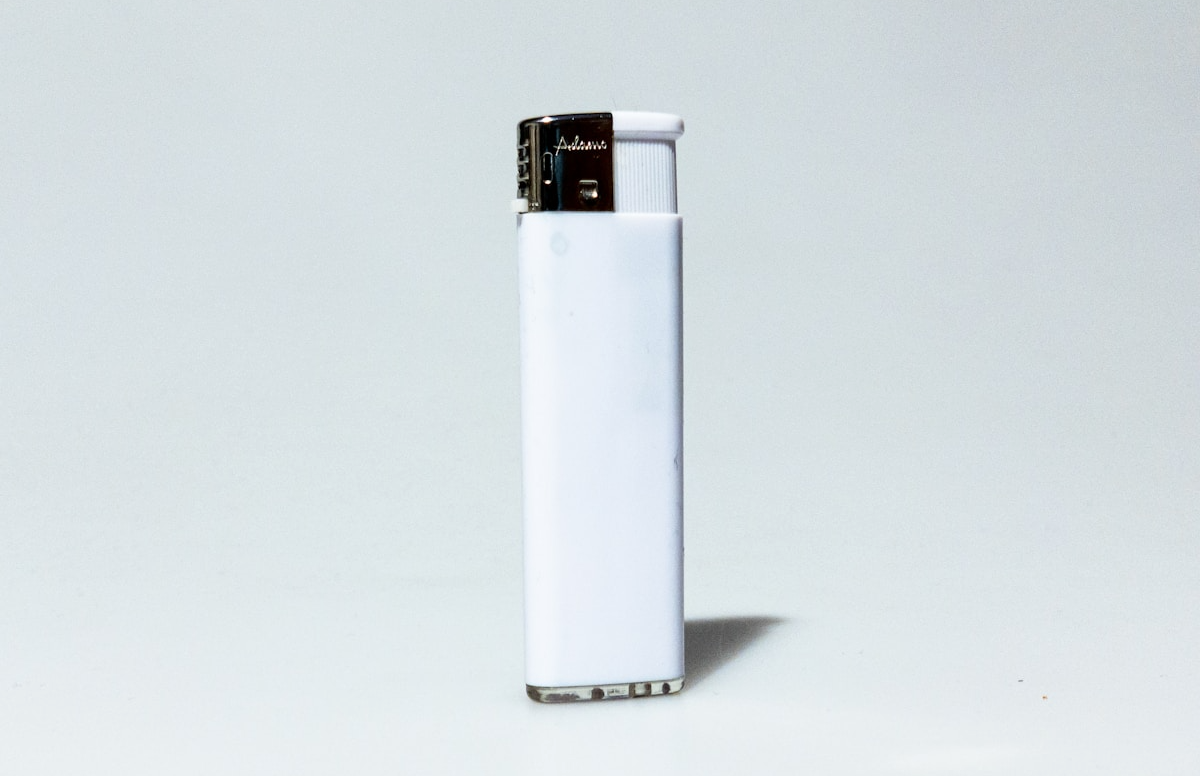
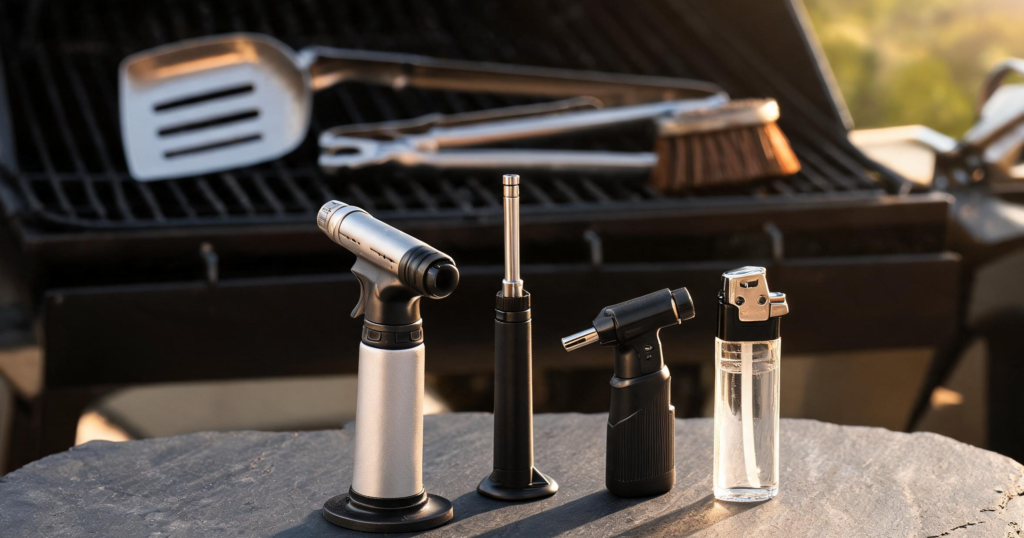
Soft-flame pocket models are compact and familiar. Utility lighters provide reach for household or professional tasks. Jet-flame models concentrate the flame and may suit applications where directional control is important. Product selection should follow the buyer’s approved requirements rather than a generic ranking.
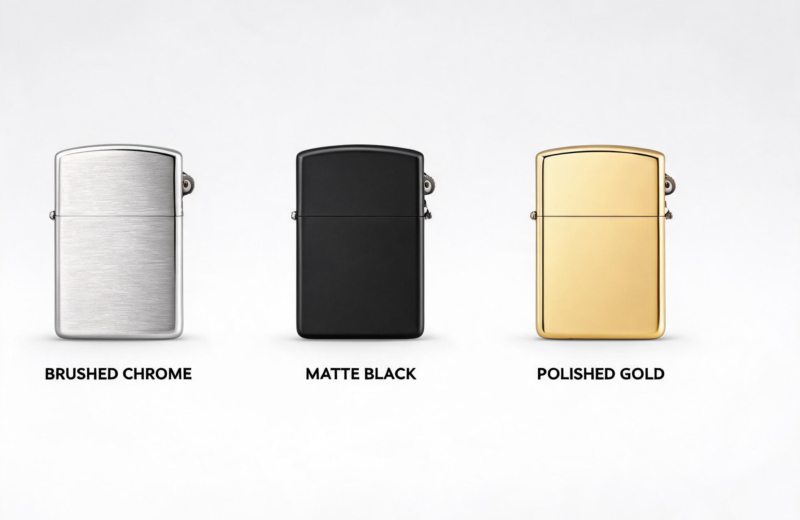
Ask for representative samples of the exact configurations under consideration. Compare the control layout, refill or fuel arrangement, surface finish and packaging presentation, then document which observations matter to the intended program.
Build a Review Checklist
Use the same checklist for every candidate sample. Record observations in plain language and distinguish confirmed supplier information from items that still require documentation.
Assign an owner to each open item and keep the latest response with the sample record. This makes it easier to see whether a question affects product selection, artwork approval, commercial review or shipment planning.
| Review area | What to confirm |
|---|---|
| Product format | Intended use and handling requirements |
| Appearance | Color, finish, logo position and sample approval |
| Packaging | Pack structure, artwork inputs and destination labeling |
| Order planning | Supplier-confirmed quantity, timing and shipment details |
| Documentation | Requirements for the intended destination market |
Review Customization Together
Color, printing and packaging affect one another. Ask for the available artwork format, printable area and color reference process before approving graphics. Packaging should be reviewed using the intended product configuration so dimensions and labeling are assessed together.
When several colorways are planned, identify which elements stay common and which change by version. Consistent file names and revision notes help purchasing and design teams confirm that the product marking and the outer pack belong to the same approved set.
Information to include in an inquiry
- Product type and intended use
- Target market and requested packaging format
- Logo files, color references and artwork notes
- Requested sample stage and decision schedule
Evaluate Samples Consistently
Prepare a repeatable review method before samples arrive. Check appearance, operation, labeling and packaging against the written brief. Photograph or document any differences, then send consolidated feedback so the next revision has a clear objective.
Use neutral sample identifiers during comparisons and record the conditions of the review. If a result needs further confirmation, note the next action instead of converting a single observation into a general product claim.
Separate approval from open questions
A sample may be visually approved while commercial terms or documentation remain under review. Record these as separate decisions to prevent an appearance approval from being interpreted as final order authorization.
Confirm Packaging and Logistics Inputs
Before requesting a final quotation, confirm the unit configuration, packaging hierarchy, destination and preferred shipment plan. Lighters require product-specific transport review, so obtain current instructions and documents from the supplier and logistics provider for the actual order.
Document the Final Decision
Keep the approved sample reference, artwork version, packaging specification and written confirmations together. A concise approval record gives purchasing, quality and supplier teams the same reference before production planning begins.
Prepare the Next Conversation
A useful first inquiry does not need every answer. Share the confirmed requirements, clearly mark open decisions and ask the supplier to identify missing inputs. This creates a practical starting point for sample and quotation discussions.
 Sep 04, 2026